Los Angeles rarely flinches at luxury dining prices. Still, a $1,500 tasting menu has managed to stop even seasoned diners mid-scroll.
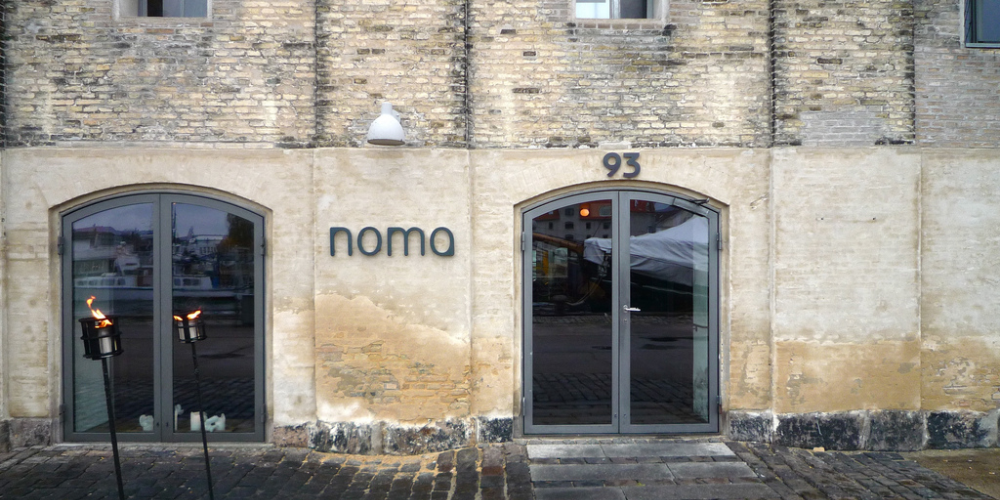
This spring, Copenhagen’s legendary restaurant “Noma” arrives in Silver Lake for a limited 16-week residency, and while demand surges, the reaction across the city remains sharply divided. On one hand, excitement builds around a once-in-a-lifetime culinary moment. On the other hand, timing and tone spark serious debate.
“Noma” has shaped modern fine dining for years. With five “World’s Best Restaurant” titles and multiple Michelin stars, the brand carries rare weight. Therefore, its arrival in Los Angeles feels monumental. Beginning in March, the team plans to serve just 42 guests per night, plus limited daytime seatings. As a result, scarcity fuels demand.
Yet the price dominates the conversation. While the ticket includes food, drinks, tax, and service, $1,500 still lands far above LA’s already-premium dining norm. Even so, more than 20,000 hopeful diners signed up for booking alerts. Clearly, curiosity and prestige continue to pull crowds.
Why René Redzepi Chose Los Angeles
Chef René Redzepi has eyed Los Angeles for years. According to his public remarks, the city represents a rare mix of cultures, agriculture, and creative energy. Rather than importing a European blueprint, the team plans to build a menu rooted entirely in Southern California.
The residency will focus on ingredients sourced within a 300-mile radius. Additionally, the kitchen intends to create hundreds of new flavors from scratch, using local produce and techniques learned on-site. This approach aligns with “Noma’s” long-standing philosophy of regional storytelling through food.

Instagram | @nomacph | René Redzepi chose Los Angeles because its cultures and local farms let Noma create bold new flavors from California itself.
Food writer Jenn Tanaka, who previously met Redzepi during a visit to a Chinatown culinary space, recalled how deeply the team connected with LA’s diversity. She noted that neighborhoods like Koreatown, Little Tokyo, and Glendale left a strong impression. More importantly, California-grown produce reshaped the team’s view of flavor potential.
The Price Tag and the Promise of a Memory
Supporters argue that the cost reflects more than ingredients. Instead, they frame the experience as cultural history. Chef Zach Scherer of Darkroom in Santa Ana compared the residency to an intimate concert by a legendary band. According to his view, the price buys access to a fleeting creative moment rather than a standard meal.
High-end restaurants often operate in this price range. The French Laundry, for instance, frequently hits similar totals when wine pairings are factored in. Yet “Noma” pushes the ceiling even higher, which naturally invites closer scrutiny.
To address concerns about access, the team created an Industry Table for hospitality workers under 25. They also pledged one percent of revenue to school meal programs via MAD and Brigaid. While thoughtful, these gestures haven’t fully quelled critics’ concerns.
When Numbers Stop Making Sense
For some diners, the price feels hard to justify. Anne Marie Panoringan, a culture-focused food writer, noted that even passionate food lovers struggle with the cost. Without heavy wine consumption, much of the total feels wasted. She also drew comparisons to other exclusive experiences—Disneyland’s elite tastings, for instance, which include extras at comparable prices.
This highlights a broader tension: in LA, luxury dining is expected to come with an experiential payoff. When the meal alone carries such a premium, expectations naturally rise.
A City Still Carrying Scars
Pricing debates are magnified by context. Los Angeles continues to recover from wildfires, labor strikes, and restaurant closures. Many neighborhoods remain fragile, making a $1,500 pop-up feel detached from everyday reality.
Mona Holmes, editor at Eater LA, noted that reactions have skewed negative. Social media comments often point out that multiple Michelin-starred dinners in one evening would cost less. For Holmes, the issue is about optics as much as dollars.
She questioned what the residency truly gives back to LA. To her, sustainability isn’t just about sourcing locally—it’s about aligning with place and moment. In that sense, charging $1,500 per meal during a time of collective stress feels misaligned.
Location Matters More Than It Seems

Instagram | @silverlakeresconservancy | Silver Lake’s creative vibe stays alive, even as some favorite spots close and new exclusive experiences pop up.
Silver Lake adds another layer to the conversation. Once known for its creative buzz, the area has seen notable restaurant closures in recent years. While still culturally relevant, it no longer carries the same culinary prestige it once did.
Holmes pointed out that several beloved spots never reopened after the pandemic. As a result, introducing an ultra-exclusive experience there feels jarring to some locals. Since organizers have not yet revealed the exact address, speculation continues.
Admiration Meets Frustration
Even Redzepi’s supporters admit there’s a disconnect. Tanaka notes that many of the communities celebrated by the chef may never actually sit at his tables. While “Noma” draws from the city’s cultural pulse, it remains accessible to a limited audience, fueling frustration among locals who value inclusivity.
Still, the waitlist tells a different story. Thousands are clamoring for a seat. For them, the lure of prestige, curiosity, and a unique experience outweighs criticism.
What This Moment Says About LA Dining
Los Angeles is a city of contradictions. It balances excess with authenticity and openness with a strong local identity. “Noma’s” residency lands right in the middle of that dynamic.
As reservations are confirmed, reactions are likely to intensify. Some will celebrate a historic culinary moment, while others may challenge its presence. Either way, the residency sparks broader discussions about timing, value, and responsibility in fine dining today.
The city faces a critical choice: does it prioritize rare, high-priced spectacles that draw global attention, or experiences rooted in community and accessibility? Meanwhile, “Noma” prepares to cook, innovate, and present its vision on one of the world’s most intricate culinary stages.
No matter the outcome, this moment will leave its mark on LA. The response will reverberate far beyond a single menu, signaling what the city chooses to welcome and support.